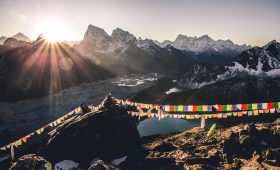
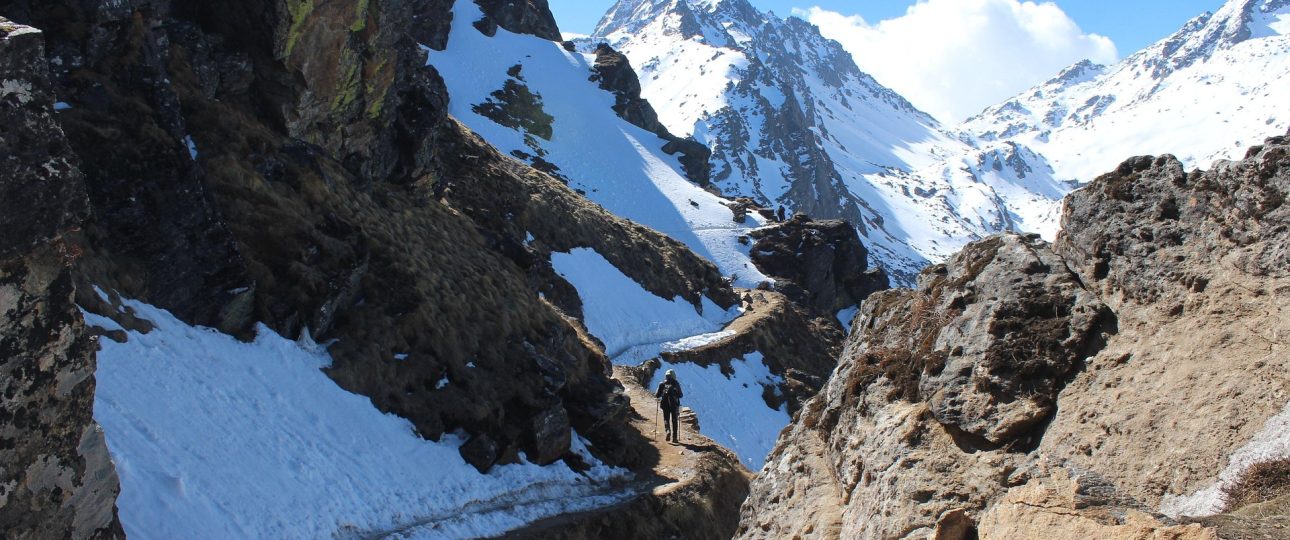
Planning a trek in the Himalayas? Whether you’re heading to Everest Base Camp, Annapurna Circuit, Langtang Valley, or Manaslu, one thing is certain—packing smart is key to your success. The Himalayas are stunning, but the high altitude, unpredictable weather, and remote terrain demand thoughtful preparation.
In this guide, we’ll walk you through the ultimate packing list for high-altitude trekking in Nepal and the greater Himalayan region, ensuring you stay warm, dry, and comfortable throughout your journey.
🏔️ Why Packing Right Matters for High-Altitude Treks
At elevations above 3,000 meters, the environment becomes harsher: oxygen levels drop, temperatures fluctuate, and weather can shift in minutes. What you bring determines not only your comfort—but your safety. Forgetting key items can ruin a trek or even force you to turn back early.
✅ Essential Packing Checklist
- Clothing: Layer Up for the Altitude
The secret is layering—you need to adapt to cold mornings, sunny afternoons, and freezing nights.
Base Layer (moisture-wicking): 2–3 thermal tops and leggings
Mid Layer (insulating): 1 fleece or down jacket
Outer Layer (weatherproof): Waterproof jacket and pants (Gore-Tex if possible)
Trekking Pants: 2 quick-dry pairs
Warm Hat & Gloves: Insulated and windproof
Buff or Neck Gaiter: Keeps dust out and warmth in
Woolen Socks: 3–4 pairs
Sun Hat & Sunglasses: UV protection is a must at high altitude
- Footwear: Your Foundation
Trekking Boots: Sturdy, waterproof, and broken-in
Camp Shoes or Sandals: For relaxing in tea houses
Gaiters (optional): Useful in snow or muddy conditions
- Gear & Equipment
Backpack: 40–50L with rain cover
Daypack: Lightweight for shorter hikes
Sleeping Bag: Rated to at least -10°C (can be rented in Kathmandu or Pokhara)
Trekking Poles: Help reduce strain on knees
Headlamp: With extra batteries
Water Bottles & Purification Tablets: Stay hydrated and safe
Dry Bags or Ziplocks: Keep electronics and clothes dry
- Toiletries & First Aid
Biodegradable soap & travel towel
Toothbrush, paste, and wet wipes
Sunscreen (SPF 50+) and lip balm
Basic first aid kit:
Diamox (for altitude sickness – consult your doctor)
Painkillers, band-aids, blister plasters, rehydration salts
Hand sanitizer and toilet paper
- Documents & Miscellaneous
Passport & Permits: TIMS card, national park permits, etc.
Cash: Local currency (no ATMs in remote areas)
Snacks: Energy bars, trail mix, or chocolate
Notebook & Pen: For journaling your Himalayan story
Portable Charger: Electricity can be limited
🧭 Pro Tips for Packing
Pack light but smart: Porters (if hired) have weight limits—usually 10–15kg per person.
Dress in layers even if it feels warm at the start—you’ll be grateful when the temperature drops.
Test your gear at home before the trip, especially boots and backpacks.
Consider renting bulky gear like sleeping bags or down jackets in Nepal if you’re on a budget.
✨ Final Thoughts
Packing for a high-altitude trek in the Himalayas is more than a checklist—it’s about preparing your body and mind for one of the most rewarding challenges on Earth. With the right gear and smart planning, you’ll stay safe and comfortable as you ascend into the clouds.
At High Hike Nepal, we help our clients not only plan their treks but also prepare the right gear list based on route, season, and fitness level.