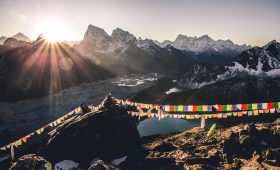
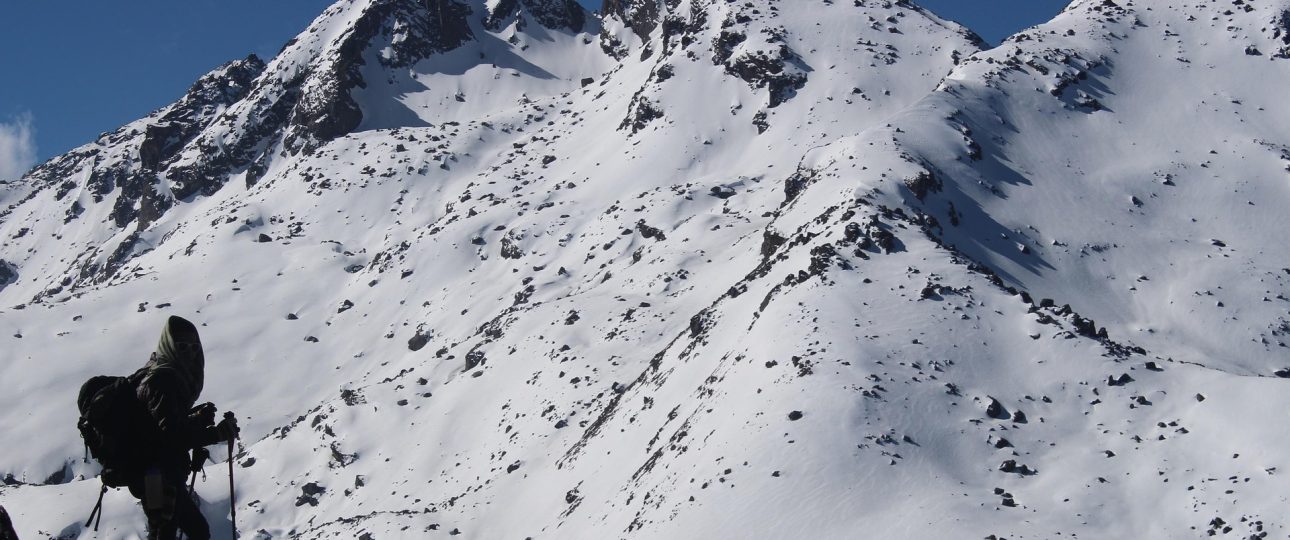
Trekking in Nepal is often described as a once-in-a-lifetime experience. With the breathtaking backdrop of the Himalayas, legendary routes like Everest Base Camp, Annapurna Circuit, and Langtang Valley attract thousands of adventurers every year. But beyond the beauty lies a series of challenges that every trekker—whether beginner or seasoned—should be prepared for.
In this blog, we’ll walk you through the key difficulties of trekking in Nepal, along with tips to overcome them and make the most of your journey.
- High Altitude and Altitude Sickness
Perhaps the most common and serious challenge in Nepal’s treks is altitude sickness, also known as Acute Mountain Sickness (AMS). As you ascend above 2,500 meters, the oxygen level in the air drops significantly. Symptoms like headache, dizziness, nausea, and shortness of breath can hit without warning.
How to deal with it:
Take it slow—ascend gradually.
Hydrate frequently (3–4 liters/day).
Spend extra days acclimatizing in places like Namche Bazaar or Manang.
Consider medications like Diamox (consult a doctor beforehand).
Always descend if symptoms worsen.
- Weather Uncertainty
Nepal’s mountain weather is notoriously unpredictable. Bright sunny mornings can shift to afternoon snow or storms in minutes—especially during the spring (March–May) or autumn (September–November) trekking seasons.
How to prepare:
Pack layers: thermal wear, waterproof jacket, down jacket, gloves.
Always carry a rain cover and waterproof backpack liner.
Avoid trekking during the monsoon season (June–August) if possible.
- Physical Endurance and Trail Toughness
Nepal trekking routes aren’t just long—they’re physically demanding. Trails often involve steep climbs, rocky descents, suspension bridges, and days without vehicle access. Trekking for 5–8 hours daily is common.
Tips for preparation:
Start training 4–6 weeks before your trek: walking, stair climbing, light running.
Practice with a daypack to simulate trail conditions.
Wear in your trekking boots beforehand to avoid blisters.
- Limited Facilities in Remote Areas
As you go deeper into the mountains, expect basic accommodations and meals. Tea houses are cozy but may lack private bathrooms, hot showers, or stable electricity. Wi-Fi is often paid and weak in signal.
Pro tip:
Embrace the minimalism—it’s part of the charm.
Carry power banks, wet wipes, and headlamps.
Always carry some cash; ATMs are nonexistent beyond major towns.
- Navigation and Communication
While most popular treks are well-marked, remote routes like Manaslu or Dolpo require careful navigation. You might also face language barriers in rural villages.
What helps:
Hire a licensed guide and porter—they enrich your experience and ensure safety.
Download offline maps (Maps.me or AllTrails).
Learn a few Nepali greetings—it’ll go a long way.
- Environmental and Ethical Concerns
Nepal’s trails are under pressure from overtourism, plastic waste, and cultural insensitivity. As a responsible traveler, you should leave no trace and respect local customs.
Best practices:
Use refillable water bottles with purification tablets.
Avoid single-use plastics and don’t leave litter.
Dress modestly and ask before photographing locals.
Final Thoughts
Trekking in Nepal is not just a physical journey—it’s an emotional and spiritual experience. Yes, it comes with real challenges—altitude, weather, physical demands—but each one prepares you to grow stronger and more connected to the wild beauty of the Himalayas.
With the right preparation and mindset, these challenges become part of the adventure. As they say in Nepal: “The mountains will test you—but they will also transform you.”