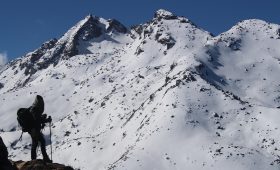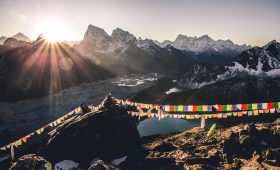

If you’re dreaming of snow-capped peaks, ancient temples, lush jungles, and authentic cultural experiences, Nepal should be at the top of your travel list. Whether you’re coming for the trek of a lifetime, a spiritual escape, or simply to explore a new corner of the world, planning your first trip to Nepal can feel overwhelming—but it doesn’t have to be.
This step-by-step guide will walk you through everything you need to know: from visa requirements and best seasons to what to pack, where to go, and how to stay safe—all optimized for a smooth, unforgettable adventure in the Himalayas.
✈️ Step 1: Know When to Visit Nepal
Nepal has four main seasons, and choosing the right one can make or break your experience:
Spring (March–May): Ideal for trekking, blooming rhododendrons, and mild weather.
Autumn (September–November): Best time overall—clear skies, stable weather, and top festivals.
Winter (December–February): Fewer crowds, colder temperatures—great for cultural tours.
Monsoon (June–August): Lush scenery but heavy rain—avoid for trekking.
Best Time to Visit Nepal: October and April are the most popular months.
🛂 Step 2: Visa & Entry Requirements
Most travelers can get a visa on arrival at Tribhuvan International Airport in Kathmandu.
Tourist Visa Fees (subject to change):
15 days: $30
30 days: $50
90 days: $125
Required: Passport valid for at least 6 months, a passport-size photo, and visa fee (USD or equivalent)
You can also apply for a visa online via Nepal’s official Immigration Department website before your trip.
🧭 Step 3: Decide Where to Go
Nepal has something for everyone:
Trekking & Adventure: Everest Base Camp, Annapurna Circuit, Langtang Valley
Cultural Tours: Kathmandu Valley (Patan, Bhaktapur, Pashupatinath, Boudhanath)
Wildlife & Nature: Chitwan or Bardia National Park (jungle safari, bird watching)
Relaxation & Views: Pokhara (lakeside cafes, paragliding, serene mountain views)
If you’re short on time, the Kathmandu–Pokhara–Chitwan triangle is a great starter route.
🎒 Step 4: Pack Smart for the Terrain
What you bring depends on the season and your planned activities:
Essentials: Layers of clothing, trekking boots, sunscreen, water purifier, daypack
For Trekkers: Sleeping bag (-10°C rating), trekking poles, headlamp, first aid kit
For Cultural Tourists: Modest clothing for temples, slip-on shoes for easy removal
👉 Read: What to Pack for a High-Altitude Trek in the Himalayas (interlink for SEO)
💬 Step 5: Learn the Basics of Local Culture
Nepal is culturally rich and diverse. Some helpful things to know:
Currency: Nepalese Rupee (NPR); carry cash for rural areas
Language: Nepali (but English is widely understood in tourist zones)
Etiquette: Avoid public displays of affection, use your right hand to give/receive, and always remove shoes before entering temples or homes
Tipping: Common and appreciated—usually 10% in restaurants and for guides/porters
🚐 Step 6: Plan Transportation & Accommodation
Getting Around: Tourist buses, private cars, or domestic flights (e.g., Kathmandu–Pokhara)
Accommodation Options: Budget hostels, mid-range hotels, luxury resorts, and mountain tea houses
Popular platforms: Booking.com, Agoda, and local tour operators like High Hike Nepal for custom itineraries.
🧘 Step 7: Choose Your Activities
There’s more to Nepal than trekking. Consider:
Paragliding over Pokhara
Bungee jumping in Hemja or Bhote Koshi
White-water rafting
Cultural immersion with local homestays
Meditation or yoga retreats in monasteries
Mixing adventure with culture makes your trip more enriching!
🛡️ Step 8: Safety Tips & Travel Insurance
Nepal is generally safe, but always stay cautious:
Altitude Awareness: Don’t rush your ascent, especially above 3,000m
Travel Insurance: Essential if you’re trekking—must cover emergency evacuation
Health: Drink purified water, carry hand sanitizer, and avoid street food when unsure
Solo Travelers: Stick to marked trails and inform your guesthouse before hiking
🌟 Final Thoughts
Planning your first trip to Nepal can feel like a mountain to climb—but with the right steps, it becomes an exciting journey in itself. Whether you’re there for the trekking trails, cultural marvels, or pure Himalayan air, Nepal will welcome you with open arms.
Ready to make it happen?
👉 Contact High Hike Nepal for personalized tour packages and expert local support.